Osaka Untold: Temples, Samurai & Retro Shinsekai
- Varighed: 3 Timer (Ca.)
- Sted: Osaka
- Produkt kode: SHI
Discover a side of Osaka that many visitors never see.
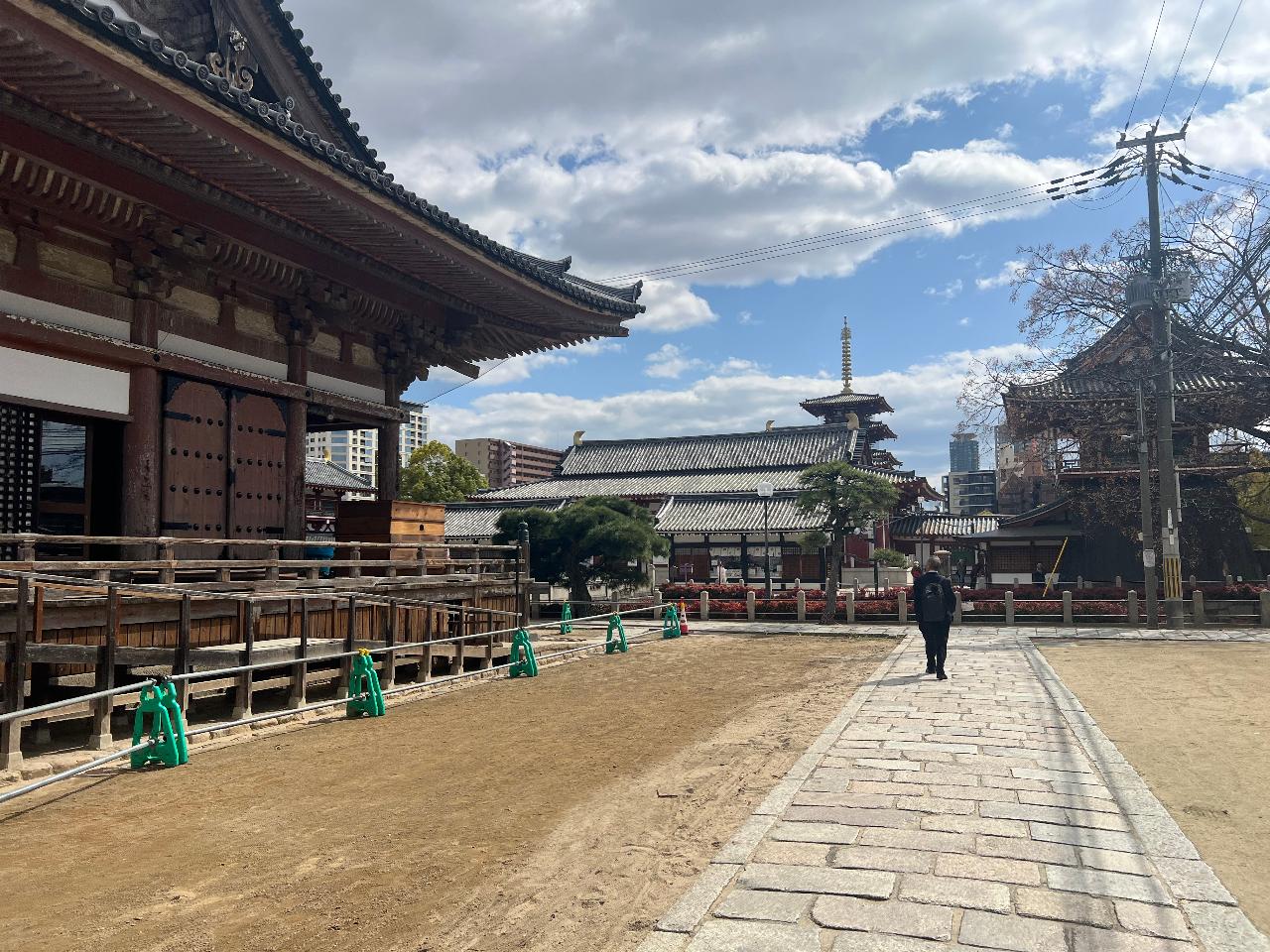
This 2.5-hour walking tour takes you through more than 1,400 years of Osaka history, beginning at Shitennoji, one of Japan’s oldest officially established Buddhist temples, before gradually moving through sacred sites, local beliefs, samurai history and finally the colorful streets of retro Osaka.
Rather than jumping between famous landmarks, the experience follows a natural historical journey through the city.
Ancient Osaka and the arrival of Buddhism
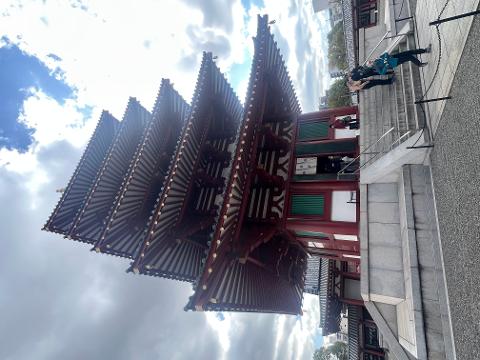
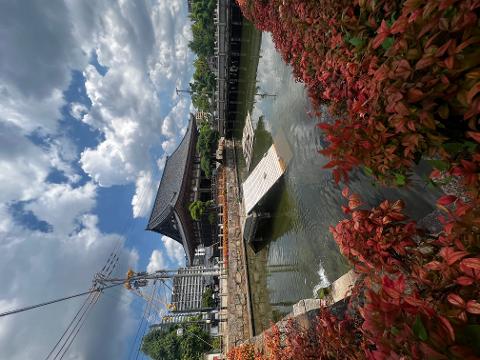
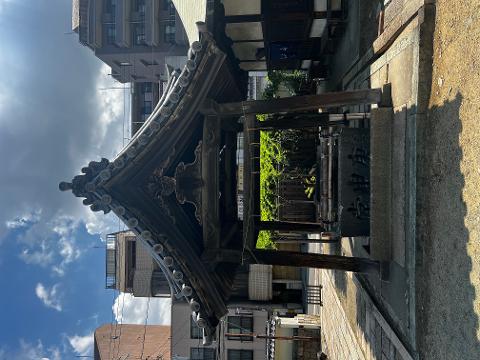
We begin around Shitennoji, traditionally founded in 593 under Prince Shotoku. Here, discover how Buddhism became established in Japan, why this area became one of Osaka’s most important religious centers, and how the temple survived repeated destruction and reconstruction over the centuries.
From there, explore smaller sacred sites that reveal a very different side of Japanese spirituality.
At Shitennoji Koshindo, discover the unusual Koshin beliefs, Shomen Kongo and the origins of the famous three monkeys: “see no evil, hear no evil, speak no evil.”
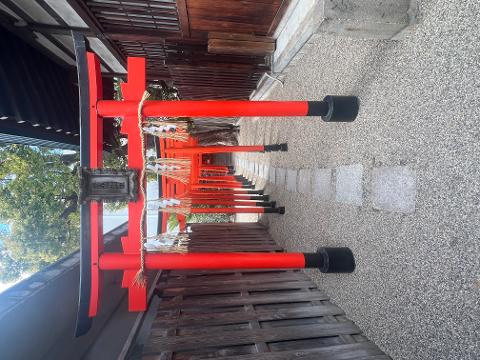
At Horikoshi Shrine, learn about Shinto traditions and a local belief that a sincere wish made here can change the course of your life.
Memory, ancestors and the samurai
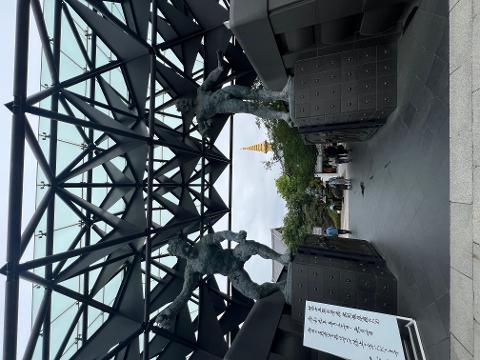
We then visit Isshinji, one of Osaka’s most distinctive temples, where Buddhist beliefs surrounding death, ancestors and remembrance take an extraordinary physical form through its famous Okotsu Butsu, Buddha statues created using the cremated remains entrusted to the temple.
The route then leads toward Chausuyama, a small hill that played a remarkable role in the Siege of Osaka.
Tokugawa Ieyasu established his headquarters here during the Winter Campaign of 1614, while Sanada Nobushige, better known as Sanada Yukimura, used the same area during the Summer Campaign of 1615.
These battles ended the Toyotomi era and helped consolidate Tokugawa rule over Japan for more than two centuries.
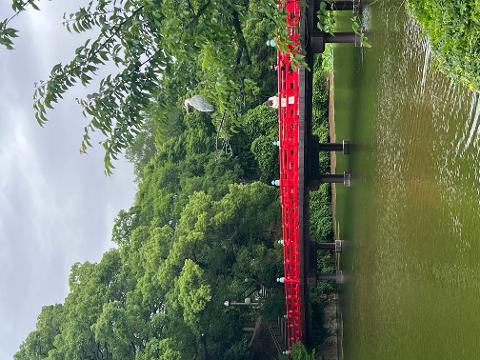
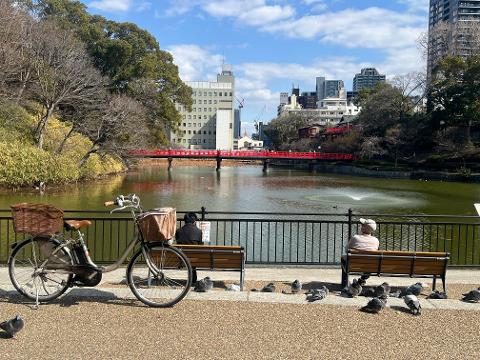
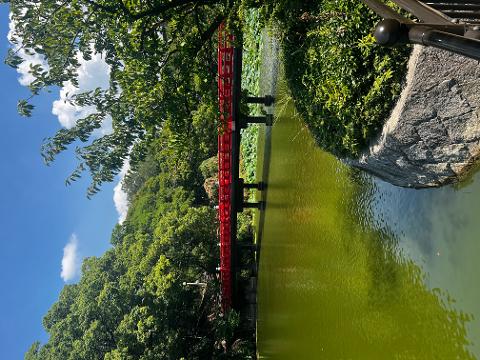
Crossing the peaceful Kawazokoike pond and Wakebashi Bridge, we leave the world of temples and samurai behind and begin another chapter of Osaka’s history.
From historic Osaka to the “New World”
Passing through the Tennoji Park area, discover how this part of the city was transformed during the rapid modernization of Japan.
The Fifth National Industrial Exhibition was held here in 1903, attracting millions of visitors and showcasing an ambitious new vision of Osaka. Part of the former exhibition grounds later became Tennoji Park, while another part helped give birth to one of the city’s most recognizable neighborhoods.
That neighborhood was called Shinsekai: the “New World.”
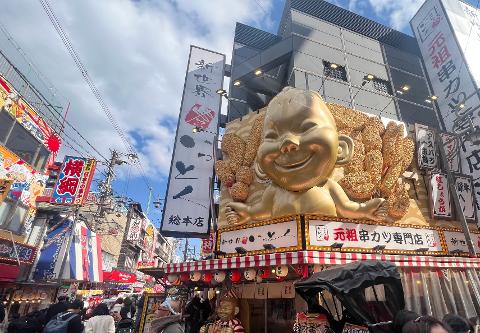
Today it looks wonderfully retro, but when it developed in the early 20th century, Shinsekai represented entertainment, modernity and the future.
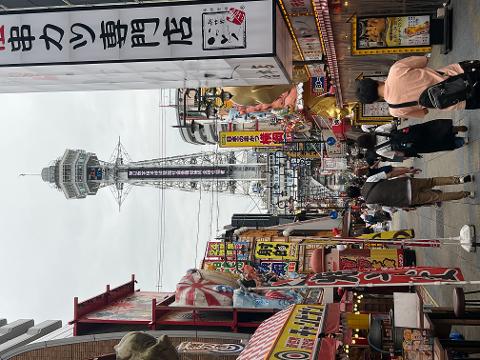
Walk through its colorful streets and Janjan Yokocho before finishing beneath one of Osaka’s great symbols, Tsutenkaku Tower.
Built originally in 1912 and reconstructed in 1956, Tsutenkaku perfectly captures the final chapter of our journey: a vision of the future that eventually became one of Osaka’s most beloved pieces of nostalgia.
What you’ll experience
• Shitennoji and the beginnings of Japanese Buddhism
• Shitennoji Koshindo and the three-monkey tradition
• Horikoshi Shrine and local Shinto beliefs
• Isshinji and its extraordinary Okotsu Butsu
• Chausuyama and the Siege of Osaka
• Kawazokoike and Wakebashi Bridge
• Tennoji Park and Osaka’s transformation in the Meiji era
• Shinsekai and Janjan Yokocho
• Tsutenkaku and the birth of modern entertainment Osaka
This is not simply a sightseeing walk. It is a journey through the different layers that created Osaka, from ancient religion and local beliefs to samurai warfare, modernization and the retro cityscape of today.